Application Performance Monitoring vs. Traditional Monitoring: What’s the Difference?
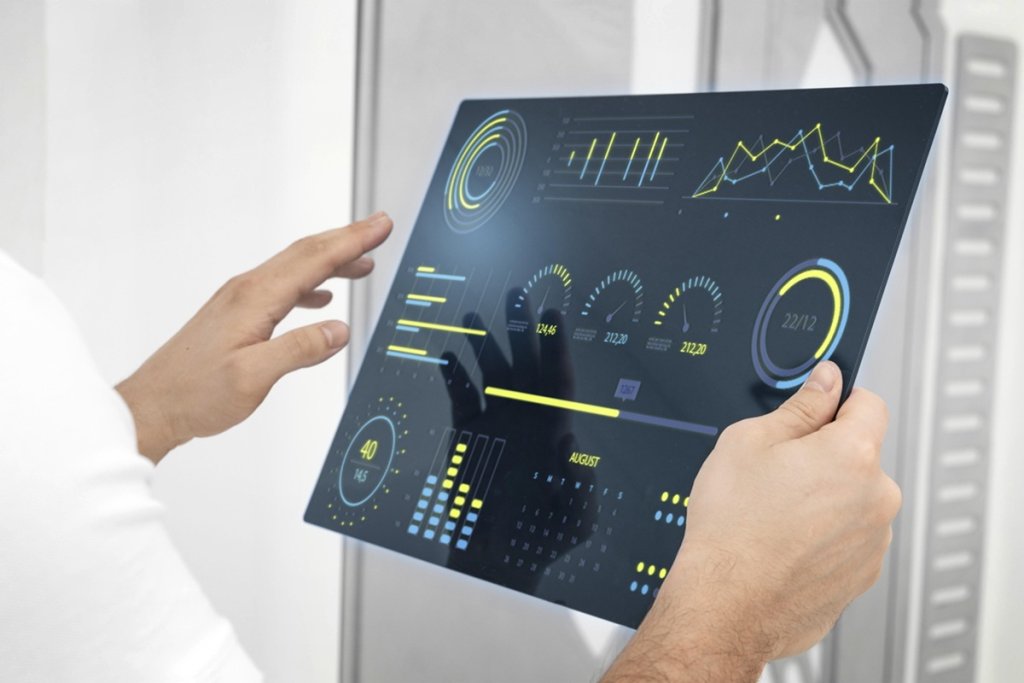
Application performance monitoring Malaysia IT teams are adopting reveals a fundamental difference from traditional monitoring approaches. While traditional monitoring tracks infrastructure metrics, APM provides deep visibility into application behaviour and the actual user experience.
As businesses continue to digitize their operations, the need for robust and intelligent monitoring solutions has become essential. Traditional monitoring techniques, such as ICMP Ping and basic CPU/memory checks, have been around for decades and still play a role in certain environments. However, with the rise of complex applications, cloud-native architectures, and microservices, Application Performance Monitoring (APM) has become crucial for ensuring the optimal performance of modern systems.
In this blog, we’ll compare APM solutions with traditional monitoring methods, focusing on their differences and how APM provides a comprehensive view of both application performance and user experience, offering far more than just basic availability checks.
1. Traditional Monitoring: ICMP Ping and Basic Resource Checks
Traditional monitoring methods are simple and generally focus on high-level metrics such as:
- Availability checks (using ICMP Ping to monitor server uptime).
- CPU and memory usage on the server level.
- Network bandwidth.
While these techniques are fundamental and useful for basic monitoring, they fail to address the complexities of modern applications. For instance, ICMP Ping only verifies whether a server is up and running but does not assess the performance of the applications hosted on that server. Similarly, CPU and memory checks are limited to resource availability and don’t account for how these resources affect the performance of the application or the end-user experience.
In traditional monitoring, the focus is primarily on system health. It can tell you when a server is down or if a CPU is under high load, but it doesn’t help with understanding why an application is slow or what causes a poor user experience.
2. Application Performance Monitoring (APM): Going Beyond Availability
APM solutions offer a far more sophisticated approach by providing deep insights into the end-to-end performance of applications. Instead of just monitoring basic server health, APM solutions focus on:
- Application response times.
- Transaction success rates.
- Database performance.
- User experience metrics (e.g., load times, interaction delays).
Simply Data APM solutions help businesses track the complete lifecycle of an application, from backend processes to frontend interactions. This holistic view is crucial for understanding performance issues that might affect users but may not be captured by traditional monitoring techniques like ICMP Ping.
3. Traditional Monitoring vs. APM: Focus on Performance and User Experience
Traditional monitoring focuses on the health of the system—whether the server is online and whether there’s enough CPU or memory available to run the application. While this provides basic system information, it fails to address how well the application is performing or how the user experience is being impacted.
APM solutions, on the other hand, focus on both backend performance (server, database, APIs) and user-facing performance (how the application responds to the user’s actions). For example:
- Latency: How long it takes for an application to respond to user input.
- Transaction Success Rates: How often user transactions succeed or fail.
- Error Rates: Tracking failed user actions that could lead to poor customer experiences.
By leveraging APM tools for enterprises, businesses gain deep visibility into both the system performance and the user experience, enabling them to pinpoint problems and resolve them before they impact customers.
4. Real-Time Monitoring: The Advantage of APM Solutions
Traditional monitoring techniques, such as ICMP Ping, only check system availability periodically—often on a set schedule. If a server goes down or experiences a spike in resource usage between checks, this data is missed. This can lead to delays in identifying and resolving issues, especially if an issue arises and affects users between monitoring intervals.
APM solutions provide real-time application monitoring, which ensures that businesses can continuously track and resolve performance issues as they happen. For example:
- Real-time error tracking allows businesses to immediately identify when a user experiences an issue, whether it’s an application crash, page load failure, or slow transaction times.
- User performance monitoring tracks key metrics such as page load speed, latency, and transaction time, ensuring that user experience stays optimized.
Simply Data APM tools give businesses the ability to monitor performance in real time, quickly detecting and fixing any issues that arise to ensure minimal impact on customers.
5. Proactive Performance Management with APM
Unlike traditional monitoring, which is often reactive (waiting for a failure or anomaly), APM solutions enable businesses to take a proactive approach to performance management. By monitoring key metrics in real time and using performance analytics software, businesses can:
- Anticipate potential issues (e.g., server overloads, database slowdowns) before they affect users.
- Optimize application performance continually to ensure smooth operation.
- Track trends over time and plan for scaling infrastructure or improving applications.
APM tools also help with predictive analytics, allowing businesses to understand future performance trends and optimize applications before problems arise.
6. APM vs. Traditional Monitoring: A Side-by-Side Comparison
| Aspect | Traditional Monitoring | APM Solutions |
|---|---|---|
| Primary Focus | System health (availability, CPU, memory) | End-to-end application performance and user experience |
| Method of Monitoring | ICMP Ping, CPU/memory usage | Real-time monitoring of backend and frontend performance |
| Detection | Identifies system downtime or overload | Detects performance bottlenecks, errors, and delays in real time |
| User Experience Tracking | No focus on user interactions | Tracks latency, transaction success, error rates, and more |
| Impact on Business | Limited insights into app performance | Deep insights into both system performance and user behavior |
| Proactive or Reactive | Reactive, based on system failures | Proactive, enabling preemptive issue resolution |
Simply Data APM Solutions: Next-Level Performance Management
At Simply Data, we provide APM tools for enterprises that go beyond traditional performance monitoring. Our APM solutions deliver real-time insights into both the performance and user experience of your applications. By integrating cybersecurity monitoring into our APM services, we ensure that your business is not only monitoring performance but also protecting sensitive data and ensuring compliance with local regulations like ISO27001 and NACSA Malaysia Cybersecurity Act 854.
We leverage SOAR automation to enhance the speed and efficiency of our monitoring and response systems. When performance issues are detected, our automated systems take immediate action, ensuring that problems are resolved with minimal downtime.
Conclusion
APM solutions are no longer a luxury—they are essential for modern businesses looking to stay competitive in a digital-first world. While traditional monitoring methods like ICMP Ping provide basic system health checks, they fail to offer the depth of insight required to optimize application performance and user experience. Simply Data APM services provide businesses with the real-time monitoring and actionable insights they need to ensure their applications are performing at their best and delivering excellent customer experiences.
With real-time system monitoring, proactive performance management, and SOAR automation, Simply Data empowers businesses to maximize their application performance while safeguarding data and ensuring security.
Ready to enhance your business performance with APM solutions? Contact Simply Data today to learn how our APM tools and SOC services can help you optimize your applications and stay ahead of the competition.
Resources and Further Reading on Application Performance Monitoring Malaysia
For organisations looking to strengthen their cybersecurity posture, the following authoritative resources provide valuable guidance: OpenTelemetry Observability Standards | CNCF Cloud Native Observability Projects.
Simply Data offers a full suite of cybersecurity and technology solutions tailored for Malaysian businesses. Explore our services: Application Performance Monitoring (APM) | APM-as-a-Service. Ready to get started? Contact our cybersecurity experts for a free consultation today.
What is the difference between APM and traditional monitoring?
Traditional monitoring tracks system availability and basic metrics. APM monitors end-user experience, transaction performance, and application behavior—providing deeper insight into why applications perform as they do.
How does APM improve upon traditional monitoring approaches?
APM traces transactions across infrastructure, identifies performance bottlenecks, provides business context (not just technical), and enables faster troubleshooting. Traditional monitoring shows problems; APM shows why they exist.
Why should Malaysian businesses upgrade to APM from traditional monitoring?
APM enables faster incident resolution, better customer experience, data-driven infrastructure decisions, and visibility into modern cloud and microservices applications that traditional monitoring cannot support.