The Future of APM: Trends to Watch for in the Coming Years
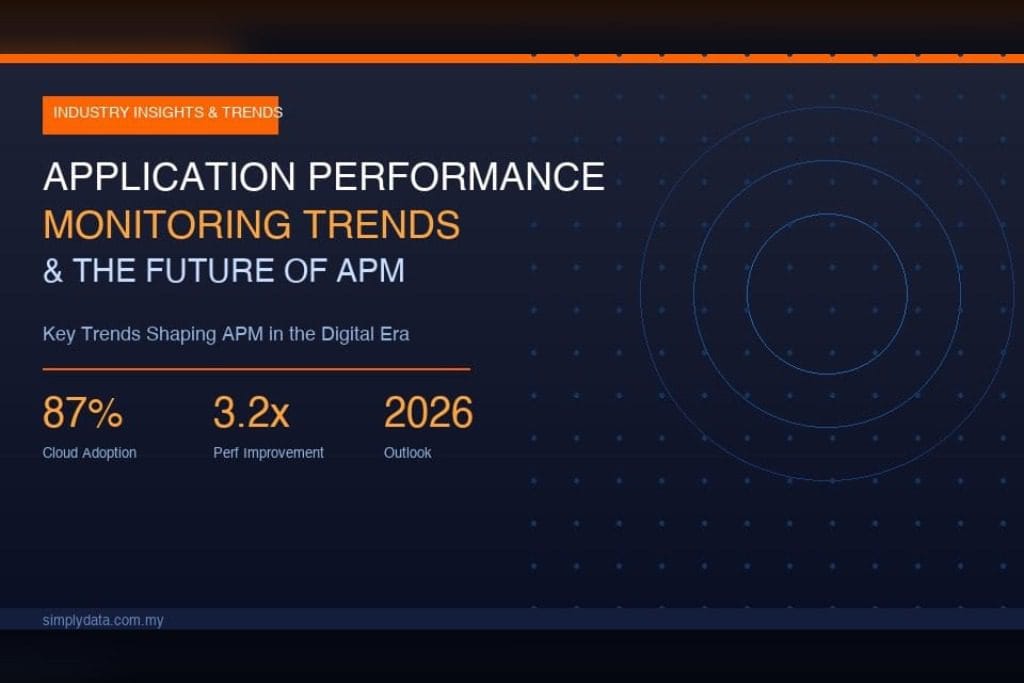
The future of APM Malaysia organisations should prepare for is being shaped by rapid advances in artificial intelligence, cloud computing, and distributed application architectures. Understanding these trends helps Malaysian IT leaders make strategic investments in monitoring capabilities.
In today’s digital-first world, Application Performance Monitoring (APM) is more critical than ever. As businesses rely more heavily on cloud-based applications and services, ensuring their optimal performance is crucial for delivering a seamless user experience. APM solutions help businesses monitor, detect, and address performance issues that could impact application usability, customer satisfaction, and operational efficiency.
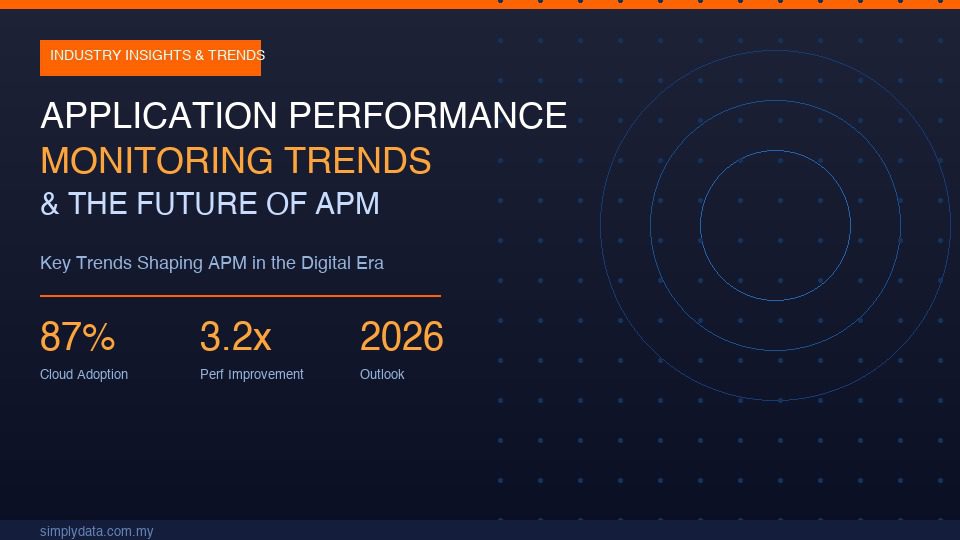
As we move into the next phase of digital transformation, APM tools for enterprises will evolve, driven by emerging technologies like AI, machine learning, and cloud-native architectures. This blog will explore the future trends in APM, focusing on the innovations that will shape the APM space and how they’ll impact businesses.
1. AI-Driven Performance Monitoring for Future Of Apm Malaysia
One of the most exciting trends in APM solutions is the integration of artificial intelligence (AI) to enhance performance monitoring. By using AI and machine learning algorithms, APM tools for enterprises will be able to predict performance issues before they occur, allowing businesses to address potential problems proactively.
AI-driven APM solutions will enable:
- Predictive analytics to anticipate and mitigate slowdowns or system crashes.
- Anomaly detection by identifying patterns of performance issues before they affect end users.
- Automated issue resolution using AI-driven workflows to fix problems instantly, minimizing downtime.
2. Cloud-Native APM Solutions
As more businesses migrate to cloud environments, the demand for cloud application performance monitoring will continue to grow. Cloud-native APM solutions are designed to monitor applications in multi-cloud and hybrid environments, giving businesses visibility across complex, distributed infrastructures.
With cloud apps becoming more dynamic, APM tools will evolve to:
- Offer deep insights into microservices and container-based environments (e.g., Kubernetes, Docker).
- Support cloud scalability, helping businesses ensure that their applications remain stable during periods of traffic spikes or growth.
3. Integration with DevOps
APM solutions are increasingly being integrated with DevOps pipelines to provide real-time feedback on application performance during development and testing. This shift helps businesses deliver high-quality applications faster, with performance issues being caught early in the development process rather than post-deployment.
Future APM tools will:
- Integrate seamlessly with CI/CD pipelines to continuously monitor applications during the development lifecycle.
- Enable performance optimization before applications go live, reducing the need for post-launch fixes.
4. Real-Time User Experience Monitoring
User experience (UX) is at the core of modern APM solutions. In the coming years, APM tools will become more sophisticated in tracking real-time application performance from the end-user perspective. By focusing on how users interact with applications, businesses will gain deeper insights into customer satisfaction and usability.
Simply Data APM solutions provide:
- Real-time system monitoring, focusing on both backend performance and user-facing metrics like load times and transaction success rates.
- Actionable insights that allow businesses to fine-tune the user experience based on real-time data.
Conclusion
As APM solutions continue to evolve, businesses will have access to powerful tools that not only monitor application performance but also predict and resolve issues in real time. The integration of AI, cloud-native architectures, and DevOps will ensure that enterprises stay ahead of performance bottlenecks, ensuring smoother user experiences and enhanced operational efficiency. Simply Data cutting-edge APM tools for enterprises can help your business stay competitive in an increasingly digital and data-driven world.
Resources and Further Reading on Future Of Apm Malaysia
For organisations looking to strengthen their cybersecurity posture, the following authoritative resources provide valuable guidance: OpenTelemetry Observability Standards | CNCF Cloud Native Observability Projects.
Simply Data offers a full suite of cybersecurity and technology solutions tailored for Malaysian businesses. Explore our services: Application Performance Monitoring (APM) | APM-as-a-Service. Ready to get started? Contact our cybersecurity experts for a free consultation today.
Preparing Your Business for the Future of APM
As the future of APM continues to evolve, Malaysian businesses must stay ahead of emerging trends to maintain competitive performance. Simply Data APM solutions are designed with the future of APM in mind, incorporating AI-driven analytics, predictive monitoring, and seamless cloud integrations. Partnering with Simply Data ensures your organisation is fully prepared for the future of APM — whatever new developments the industry brings in the years ahead.
The future of APM is not just about monitoring uptime — it is about delivering intelligent, business-aligned insights that drive decisions at every level. By embracing the future of APM today, Malaysian companies position themselves to respond faster to incidents, optimise user experiences, and support digital transformation initiatives with confidence. Contact Simply Data to start your journey toward the future of APM with a trusted local partner.
What APM trends should organizations watch for in coming years?
Key trends include AI-powered root cause analysis, serverless and containerized application monitoring, increased focus on user experience metrics, real-time anomaly detection, and integration with infrastructure automation tools.
How will AI impact APM capabilities?
AI enables automatic anomaly detection without manual threshold tuning, intelligently correlates performance issues across services, predicts problems before they impact users, and suggests remediation actions based on historical patterns.
How should Malaysian organizations prepare for APM evolution?
Select APM tools with AI capabilities, ensure comprehensive data collection for machine learning training, plan for organizational change as APM becomes more automated, and invest in skills for using advanced APM analytics.